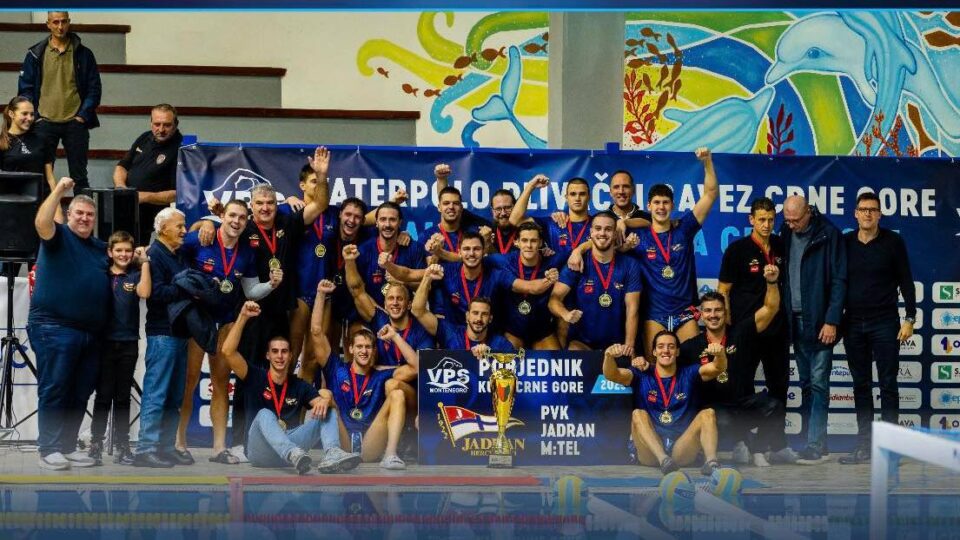

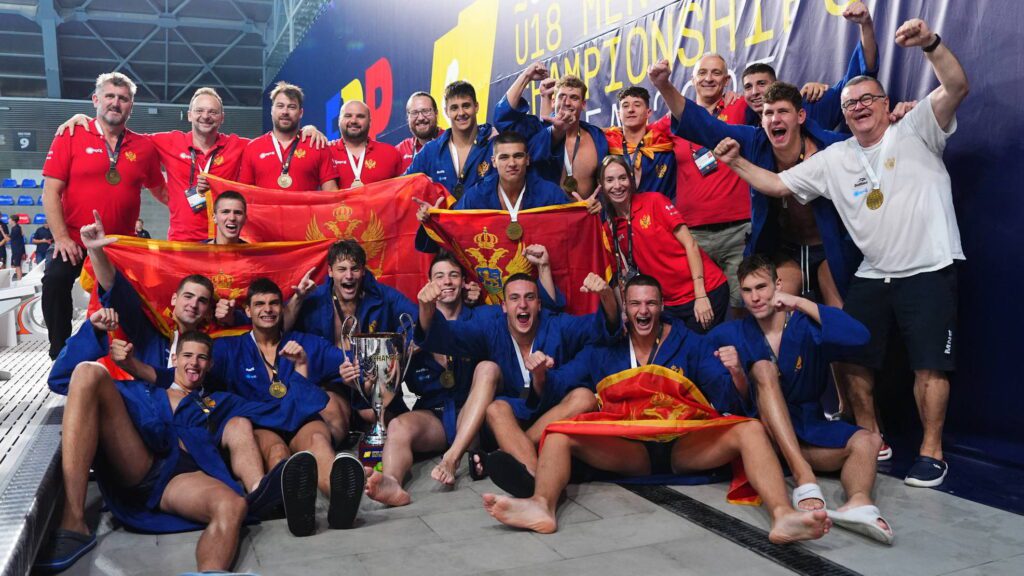
Montenegrin boys are the European U18 Champions.
In the final of the European Elite Youth Championships in Oradea, Montenegro defeated Serbia 13:9.
Montenegro earned a well-deserved title with a perfect 6-0 record. All other participating teams in the Oradea tournament suffered two or more defeats during the championships.
Greece won the bronze medal with a narrow 12:11 win over Italy in a 3rd-place matcg, which offered several twists and turns.
Spain defeated Hungary 10:7 in the 5th-place game, while Croatia easily beat France 16:7 to take 7th place.
Montenegro’s Strahinja Gojkovic (a son of Jadran HN’s head coach, Vladimir Gojkovic) was voted the best player of the tournament. Strahinja Gojkovic played for the senior team of Montenegro at the World Senior Championships.
The award for the best goalkeeper was presented to his teammate, Marko Pejovic.
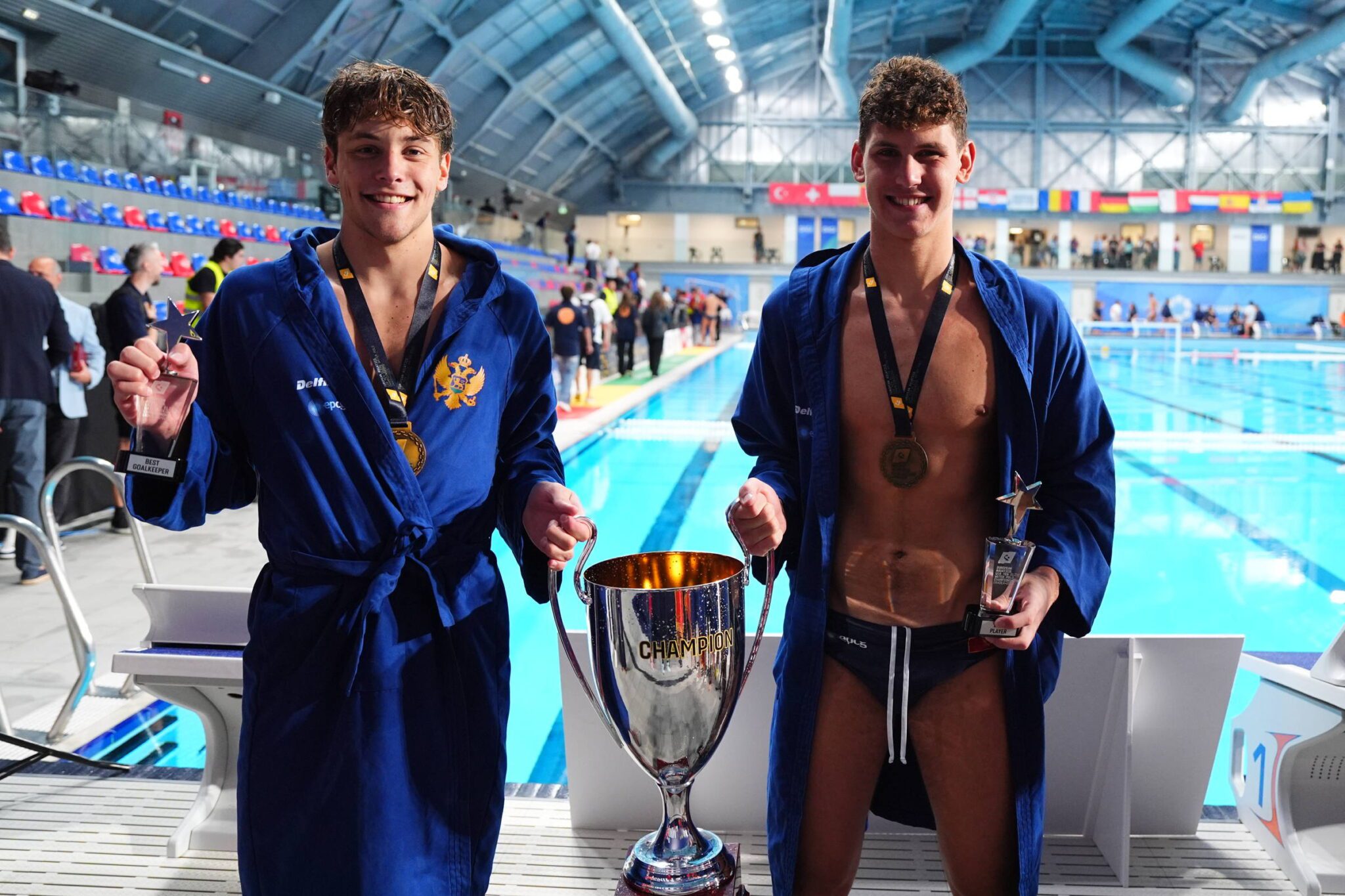
Pejovic and Gojkovic Photo: European Aquatics
2025 European U18 Championships, Elite Division, Oradea, Day 7
F Final
Montenegro – Serbia 13:9 (3:2, 4:2, 5:2, 1:3)
Six days ago, Montenegro narrowly defeated Serbia 9:8, thanks to a better performance in the match after turning around a 3:4 deficit to a 7:4 lead. Today’s game told a different story. The Montenegrins controlled the pace throughout the entire match, establishing a four-goal lead in the first half (7:3). A decisive 4:0 run by Montenegro in the third period dashed Serbia’s hopes of a comeback.
Serbia scored the first goal in the game, but the Montenegrins imposed their rhythm shortly after. They responded with two goals, and the Serbs leveled at 2:2. Montenegro had a 3:2 advantage at the first break.
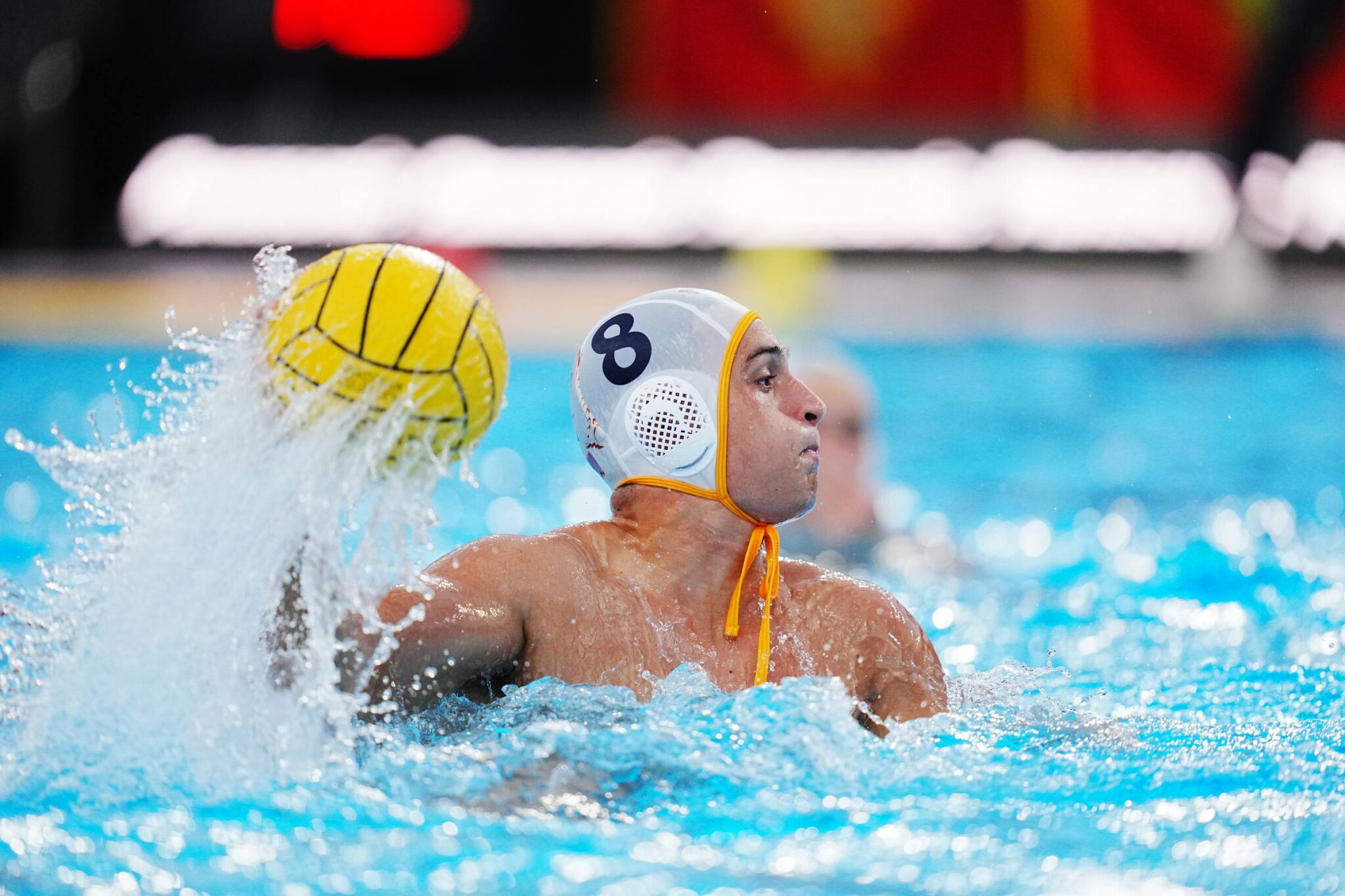
Miljan Boskovic Photo: European Aquatics.
In the first two minutes of the second period, Miljan Boskovic increased the lead to three. First, he netted from a distance. The Montenegrins played excellently in defense. After one of several good steals, they started a counterattack, which was finished by Boskovic – 5:2. Midway through the second period, the team coached by Nebojsa Milic jumped to 7:3. Luigi Canepa closed the first half, scoring from the right in the dying seconds to keep Serbia’s hopes alive – 4:7.
Strahinja Gojkovic fired the ball from eight meters to make 8:4 it after 22 seconds of play in the second half. Serbia quickly halved the gap (6:8). But, the Montenegrins didn’t let them come back into the match. They tightened their defense again, and their offensive play improved steadily. Montenegro produced a 4:0 run in just three minutes to jump to 12:6. They maintained that difference until the end of the quarter.
Serbia’s Luigi Canepa scored three consecutive goals in the fourth period to reduce the gap to 9:12. Still, Montenegro’s win wasn’t in danger. Ognjen Moracanin scored the last goal in the tournament and set the final score with 83 seconds left on the clock.
Strahinja Gojkovic, Danilo Stupar, and Miljan Boskovic scored three goals each for Montenegro; Relja Vukanic added two. Goalkeeper Marko Pejovic also deserves credit for a significant contribution to the success. The best scorer of the final was Serbia’s Luigi Canepa, who found the net six times.
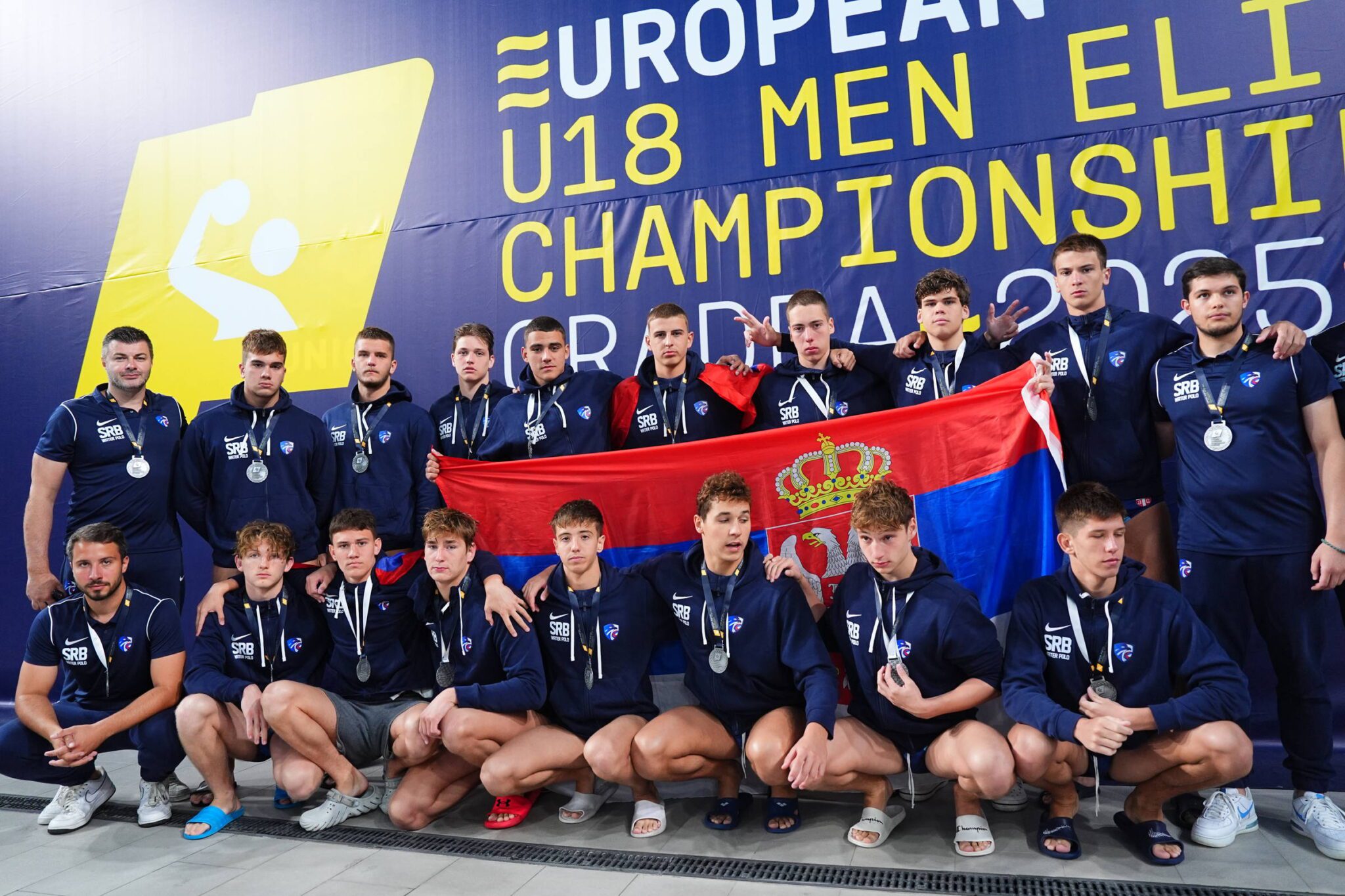
Serbia Photo: European Aquatics
BM Bronze-medal game
Italy – Greece 11:12 (3:3, 4:3, 2:4, 2:2)
Italy convincingly defeated Greece 14:9 on Day 1 of the tournament in Oradea. However, in a much more important match, the Greeks celebrated their victory and took home the bronze medal.
Greece started the bronze-medal game very well, building a 2:0 lead, with Ilias Angelopoulos scoring the first two goals. Alessandrini put Italy on the scoreboard in the 5th minute, marking the beginning of a fantastic run for his team. The “Settebello” scored five goals in just five minutes, conceding only one, to take a 5:3 lead. Patsilinakos managed to narrow the deficit, and from that point on, both teams traded goals.
By the middle of the third period, Italy took a two-goal lead three times, but Greece, led by Angelopoulos—who netted five goals in the first half—responded each time. After Greece’s captain, Chatzis, converted a penalty to make it 8:9 in the 20th minute, Italy didn’t respond. By the end of the quarter, Chatzis added two more goals (one from a penalty and another from open play), putting Greece ahead 10:9 before the final eight minutes.
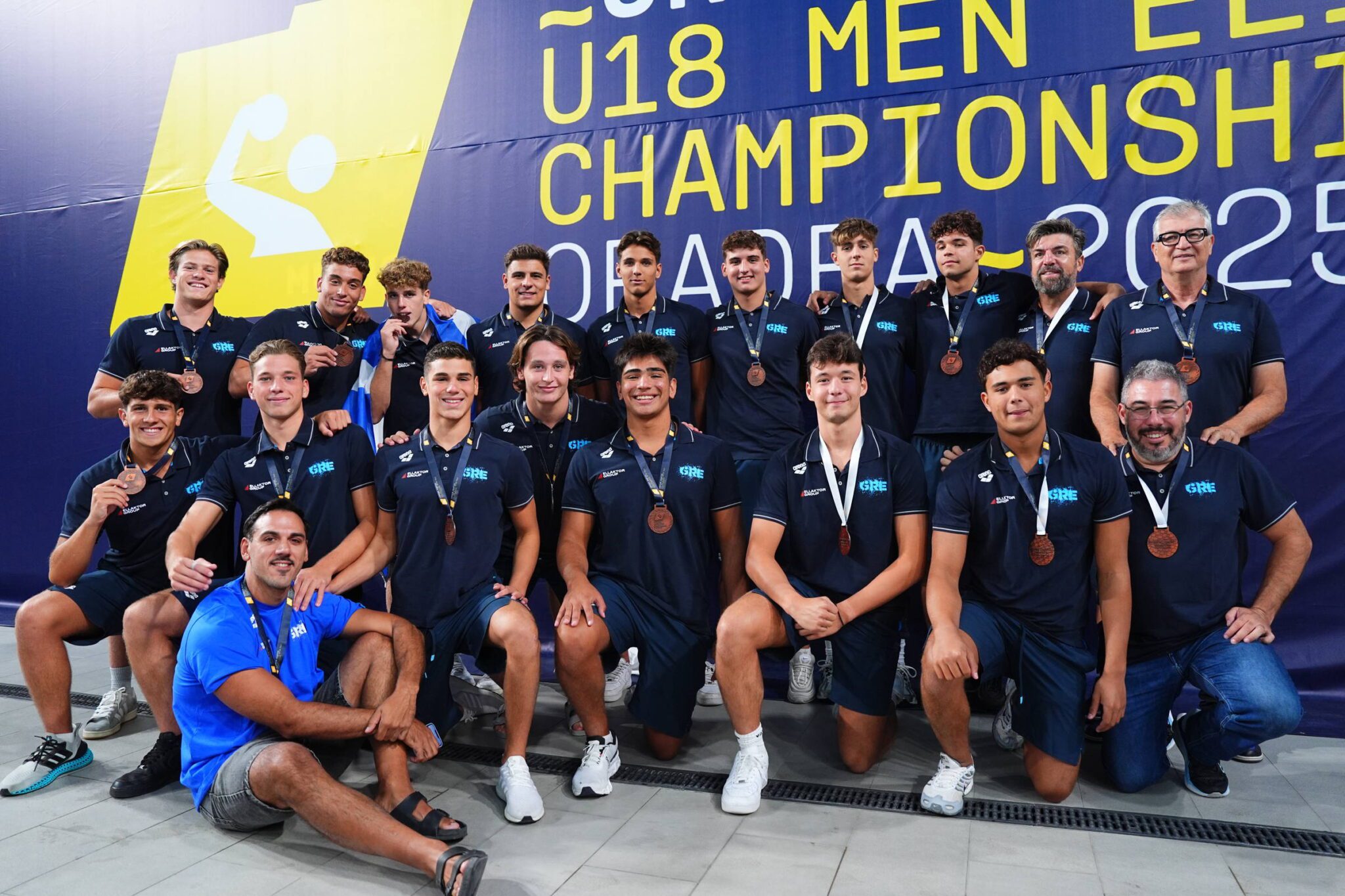
Greece Photo: European Aquatics
Much like in the first quarter, Alessandrini broke Italy’s goalless streak, leveling the score at 10:10 during Italy’s first possession of the fourth quarter. He then gave Italy an 11:10 lead in the 28th minute. However, Angelopoulos quickly scored his sixth goal to equalize again. Konstantinos Bitsakos then scored with a long-distance lob, setting the final score at 12:11 with 2:37 minutes to go.
In the remaining time, Greece missed one man-up opportunity, while Italy had two chances during 6-on-5 attacks. They earned an extra player in their final possession of the game. Tresa hit the post, but after a successful rebound, the Italians had another 18 seconds to level the score. They failed to do so. Greece’s goalkeeper, Berdes, made a crucial save with 15 seconds left, sealing his team’s victory.
Once again, two players scored almost all the goals for Greece: Angelopoulos scored six times, while Chatzis added four goals (all of which came in the third quarter). Alessandrini netted three goals for Italy.
5 5th-place match
Spain – Hungary 10:7 (2:1, 2:1, 3:3, 3:2)
Spain led throughout the 5th-place game. Hungary leveled the score just once, at 1:1, but it chased the rival until the end.
Spain earned a 3:1 victory in the first eleven minutes, with three goals from Ricardo Sordo. Early in the third period, the Spaniards stretched the margin to three (5:2). Two and a half minutes before the last break, Jambor reduced the gap to one goal (5:6), but just ten seconds later, the Spaniards forced a penalty shot, which Carro converted to a 7:5 lead. The next goal came in the 27th minute, when Mor Benedek made it 6:7. The Spaniards replied with two back-to-back goals to rebuild a 3-goal lead (9:6) with less than two minutes left on the clock, and the winner was decided.
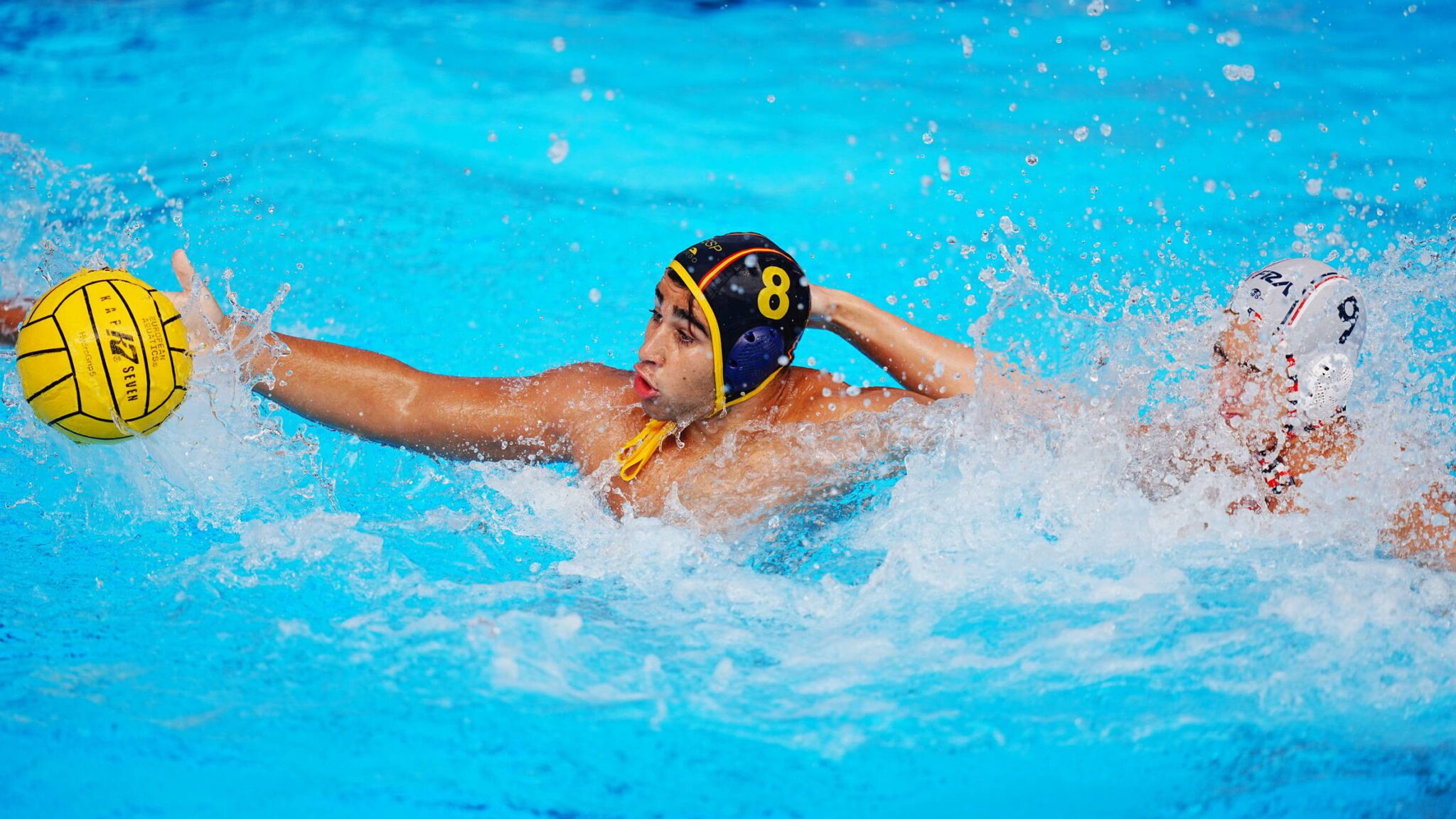
Comabella (ESP) Photo: European Aquatics
Comabella led the Spaniards with four goals, while Sordo added three. Rabb scored three for Greece.
7 7th-place match
France – Croatia 7:16 (2:5, 3:4, 0:5, 2:2)
France took the lead just once – at 2:1. Croatia then made a 5:0 run in seven minutes and went ahead 6:2. Late into the second quarter, the French halved the deficit, 5:7. However, Croatia retook control. It scored seven unanswered goals by the end of the third period, earning a comfortable 14:5 lead.
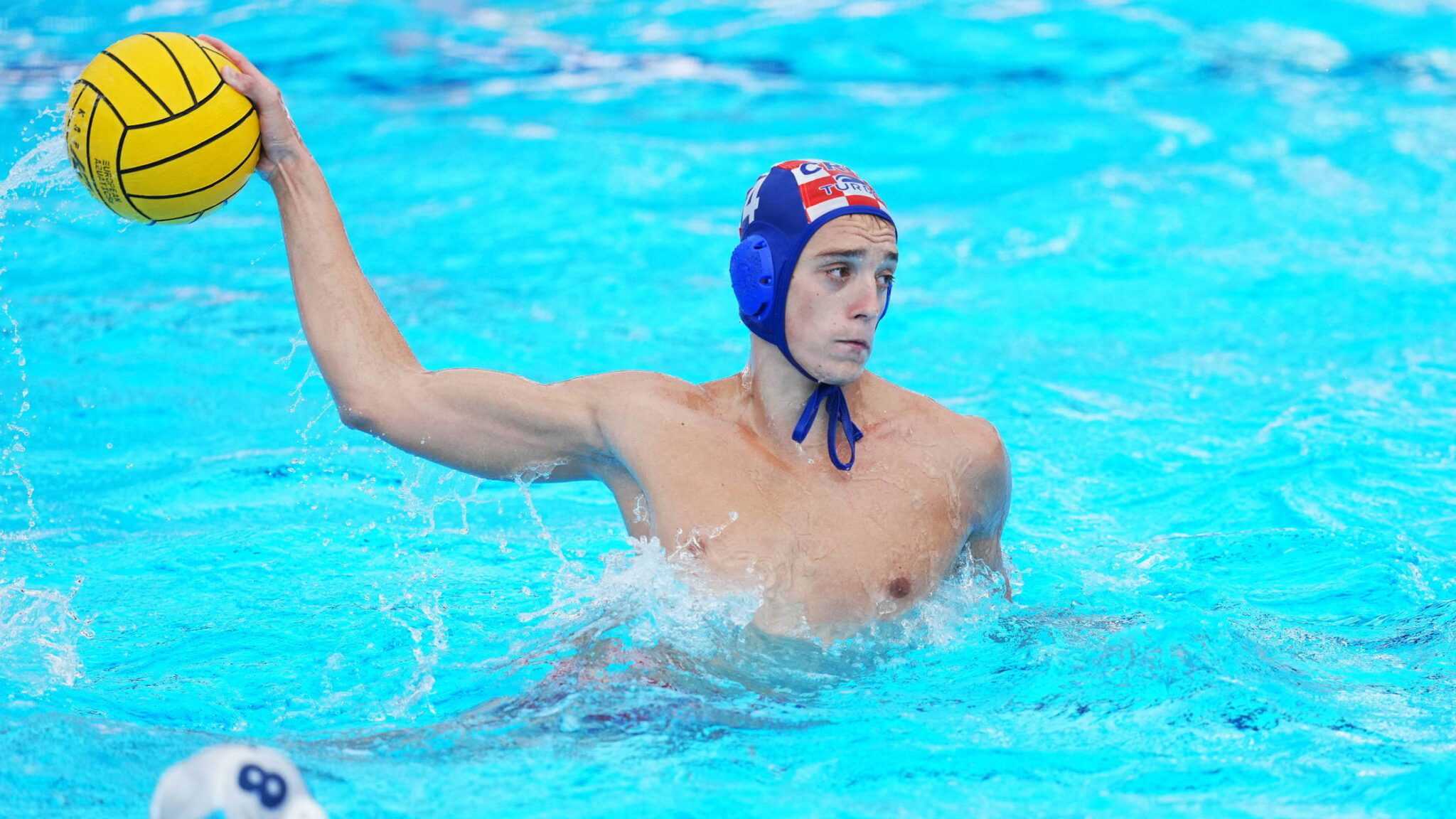
Maro Susic (CRO) Photo: European Aquatics
The top scorers in the winning team were Susic, with five, and Dujmic, with four goals, while Barnat scored three for France.
Final standings: 1. Montenegro, 2. Serbia, 3. Greece, 4. Italy, 5. Spain, 6. Hungary, 7. Croatia, 8. France, 9. Malta, 10. Germany, 11. Netherlands, 12. Poland, 13. Turkiye, 14. Romania, 15. Georgia, 16. Ukraine.
2025 European U18 Championships, Division 1, Rio Maior, Day 7
Israel won gold in Division 1, beating Belgium in the final. Both finalists advanced to the Elite Division, where they will replace Georgia and Ukraine.
Final: Belgium – Israel 9:12
Bronze-medal match: Bulgaria – Portugal 22:13
5th-place match: Moldova – Switzerland 18:8
7th-place match: Slovakia – Lithuania 8:12
Final standings: 1. Israel, 2. Belgium, 3. Bulgaria, 4. Portugal, 5. Moldova, 6. Switzerland, 7. Lithuania, 8. Slovakia, 9. Great Britain , 10. Austrija, 11. Czech Republic, 12. Denmark, 13. Ireland.
All European youth champions
European U18 Championships
1983 (Istanbul, Turkey): Hungary
1985 (La Valetta, Malta): USSR
1987 (Athens, Greece): Yugoslavia
1989 (Istanbul, Turkey): Hungary
1991: not held
1993 (Veenendaal, Netherlands): Hungary
1995 (Esslingen, Germany): Yugoslavia
1997 (Maribor, Slovenia): Hungary
1999 (Sofia, Bulgaria): Croatia
2001 (Hagen, Germany): Hungary
2003 (Istanbul, Turkey): Serbia and Montenegro
2005 (Sofia, Bulgaria): Serbia and Montenegro
2007 (Gzira, Malta): Serbia
European U17 Championships
2008 (Belgrade, Serbia): Hungary
2010 (Stuttgart, Germany): Italy
2011 (Rijeka, Croatia): Croatia
2013 (Gzira, Malta): Montenegro
2015 (Baku, Azerbaijan): Serbia
2017 (Gzira, Malta): Montenegro
2019 (Tbilisi, Georgia): Italy
2021 (Gzira, Malta): Serbia
2023 (Manisa, Turkey): Greece
European U18 Championships
2025 (Oradea, Romania): Montenegro
More articles about the European Men’s U17/U18 Championships